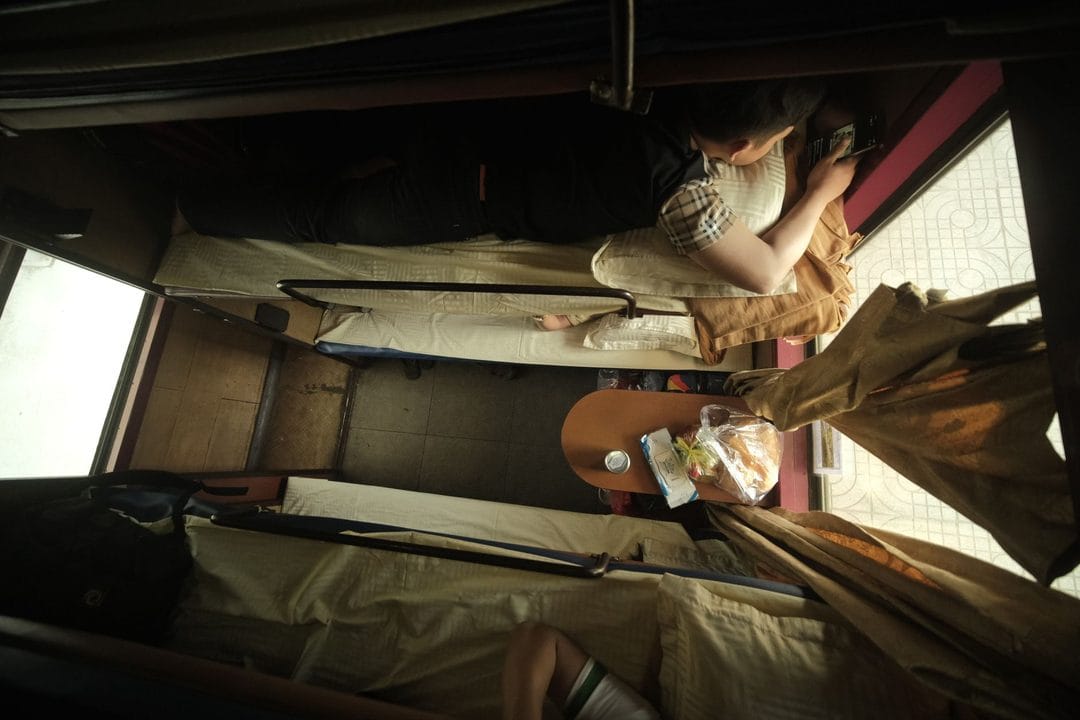
The 9:40pm out of Vienna is already half-asleep when I climb aboard. A steward checks my ticket, points me down a narrow corridor, and by the time the Nightjet pulls past the last lit suburb I'm horizontal in my own little cabin with a window the size of a paperback and the Alps somewhere ahead in the dark. I wake up in Italy. That's the whole pitch for sleeper trains, and this summer it's a better deal than it has been in years.
Europe's night-train revival isn't a rumour anymore. ÖBB's Nightjet network now stitches together Vienna, Hamburg, Brussels, Paris, Rome and a dozen points between; European Sleeper runs its Brussels–Amsterdam–Berlin–Prague "Good Night Train" three times a week and keeps adding dates; and the new-build Nightjet carriages with sealed single pods finally make the solo-woman calculation a no-brainer. If you've been doing the budget-airline shuffle every June — the 4am alarm, the bag-drop queue, the gate change to the far end of the terminal — here's the case for swapping a few of those flights for a bunk this year.
Why a sleeper makes more sense the moment you're travelling alone
The maths is the obvious bit. A night on the train is a night you don't pay for in a hotel, and it's a travel day you don't lose to airports. Book a Vienna–Rome Nightjet a few weeks out and a private single sleeper sits around €130–€160; the couchette berths drop to roughly €60–€90 if you're happy sharing. Compare that to a last-minute summer flight plus a night in a central Rome hotel and the train often wins outright — and you arrive at Roma Termini at breakfast instead of bleeding half a day getting in from Fiumicino.
But the part that actually changed my habits is the safety geometry, and it's the thing nobody mentions in the glossy press shots. On the new Nightjet pods you get a door that locks from the inside, a card-key system, and a compartment you never have to leave between boarding and your destination. There's a real person — the steward — who knows your name and your stop. Compare that to a budget red-eye where you're standing alone in an unfamiliar airport at 1am working out which night bus isn't a scam. I'd rather be asleep behind a locked door doing 140km/h through Carinthia. If you book a women-only couchette compartment (ÖBB offers them, and you select it at the seat-map stage), you get the cheaper shared option without the lottery of who's on the other bunk.
It isn't all romance, mind you. Sleeper trains are noisier than the marketing suggests — points clatter, doors thunk, and somewhere around 3am you'll cross a border and someone's phone will go off. Pack earplugs and a proper eye mask and treat the first hour of "I'll never sleep on this" as normal. By the second night train of any trip you'll be out before the city lights fade.
Four routes worth booking for summer 2026
Not every night train is worth the fare. Some are glorified delays with a bed attached. These four earn their place — chosen because the scenery is genuinely worth the dark you can't see it in, and the morning arrival drops you somewhere you'd actually want to start a trip.
- Vienna → Rome (Nightjet). The flagship. New pods, an alpine dawn if you keep the blind up past Villach, and Rome by 9:40am. The single most reliable "I can't believe this works" route for a first-timer.
- Brussels → Berlin → Prague (European Sleeper). The Good Night Train. Older rolling stock and a slightly anarchic charm — bring your own breakfast — but it links three brilliant solo cities in one go, and a women-friendly compartment ethos that regulars rate highly.
- Paris → Venice (Thello's successor, now run as a seasonal Nightjet). Wake up to lagoon light instead of a Ryanair gate at Treviso, 30km out. Worth the premium for the arrival alone.
- Stockholm → Narvik (SJ night train, above the Arctic Circle). The outlier, and my favourite if you've got the nerve. In June you chase the midnight sun north through Lapland; there's no "night" to speak of, just endless gold light over the tundra. A genuinely once-in-a-while thing rather than a commute.
Book the popular southbound routes the moment your dates firm up. Nightjet single pods for July and the first half of August are routinely gone six to eight weeks ahead, and the price you see in May is not the price you'll see in late June.
What to actually pack for a bunk
A sleeper rewards a different kit to a flight. You're not optimising for the security tray; you're optimising for the small dark box you'll live in for ten hours. The single best upgrade is a soft, packable layer — cabins swing from stuffy to genuinely cold depending on which side of the Alps you're on, and the blankets are thin. After that it's the small stuff that makes the difference between a good night and a miserable one.
- Earplugs and a contoured eye mask — non-negotiable, and the cheap foam earplugs beat the fancy silicone ones for a train.
- A phone-sized power bank. Sockets exist in the new pods but not always in the older couchettes, and you do not want to arrive in a strange city on 4%.
- A scarf or sarong that doubles as a pillow, a blanket and a curtain over a too-bright corridor window. The one genuinely multi-use thing I'd never travel without.
- Your own water and a proper breakfast snack. Dining options range from "a steward with a trolley of coffee and croissants" to "absolutely nothing", and you won't know which until it's too late to fix.
Keep your passport, phone and a single card in a small pouch you sleep with — not in the bag overhead. Border checks on trains like the Brussels–Prague run can happen while you're half-conscious, and you want the documents to hand without rummaging through a packed cabin in the dark.
Booking it without losing your mind
Here's where most first-timers come unstuck. The cross-border night trains aren't all on one tidy website, and the cheapest fares hide behind the operator's own booking flow rather than the big aggregators. For Nightjet, book direct on the ÖBB site or app — it's in English, it shows the live seat map so you can pick a women-only compartment, and it's where the cheapest "Sparschiene" advance fares live. European Sleeper sells through its own site only. For the Swedish routes, SJ's own app is the one to trust.
Interrail does cover most night trains if you're already railing around Europe, but you'll still pay a reservation fee per sleeper — usually €20–€40 — and those reservation slots sell out long before the pass-holders show up. So a pass is not a free pass to a bed. If a sleeper is the spine of your trip, reserve it the day it opens, then build the rest of the holiday around that fixed point.
One last thing the brochures won't tell you: the romance is real but it's intermittent. You'll have a magic morning watching Lake Garda slide past with a coffee, and you'll also have a 2am where the air-con's died and you're questioning every decision. Both are part of it. Book the Vienna–Rome for your first one, keep the blind up past the mountains, and see whether you're the kind of traveller who'd rather wake up somewhere than fly there. A lot of us, it turns out, are.