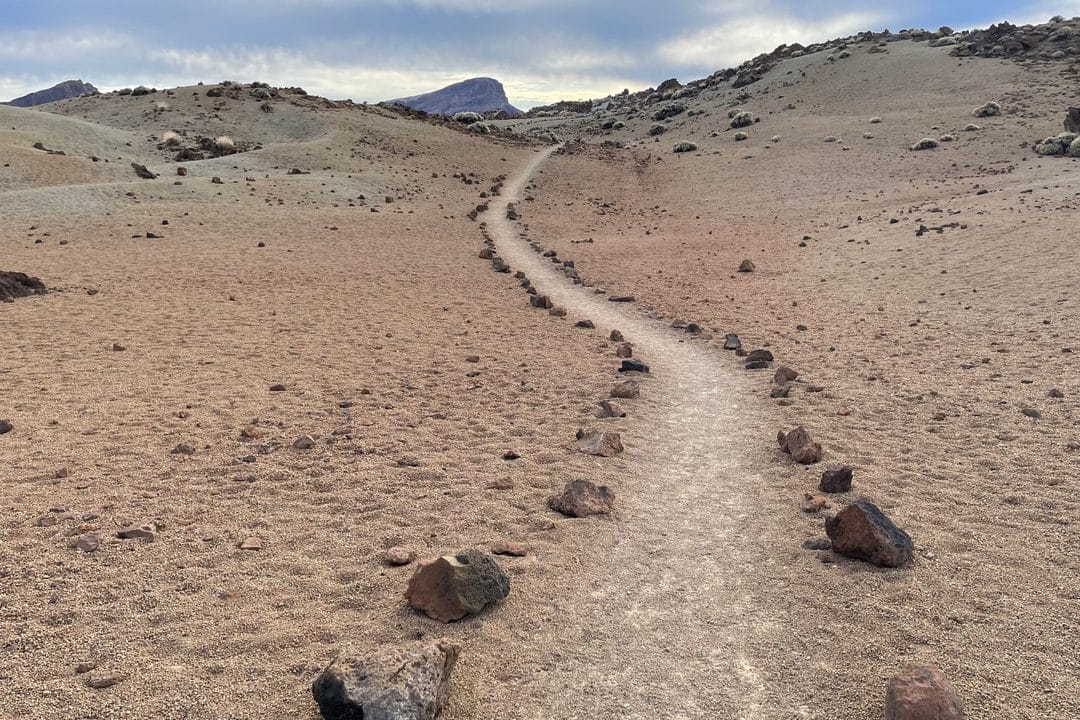
Is there a place in Europe where you can eat lunch outdoors in November without feeling like you booked the wrong season? There is, and it is a short flight from most European capitals. Tenerife, the largest of the Canary Islands, sits roughly 300 kilometres off the coast of Morocco and belongs to Spain, so you pay in euros and never need to learn a new alphabet. For a solo trip, November is a better month than most people assume, and the reasons are below.
Why November Beats January for Solo Winter Sun
Most people picture the Canaries in January, when northern Europe is grey and the flights are full. November is the better window, and the reasons are practical rather than romantic. Daytime highs typically sit around 20 to 24 °C, which is enough for a long lunch outside and a walk without a coat by midday. Evenings cool down, so pack one light layer for the walk back from dinner, especially if you plan to stroll through an old town after dark. Accommodation is often cheaper than in the weeks around Christmas, although prices move from year to year, so compare your dates before you book. You also miss the holiday-fortnight crowds, which means viewpoints and trailheads are quieter when you turn up alone. Winter sun with fewer people around is the whole pitch, and November delivers it more reliably than January.
Yet the quiet is relative, and I would not promise it everywhere. The south coast around Los Cristianos stays busy with winter sun holidaymakers, many of them on week-long stays, so the calm you want depends heavily on where you sleep. I would not treat the resort promenades as a place to find solitude, even in November. My advice is to choose a base before you choose a date. If solitude is part of the point, book in the north or in the capital rather than on the resort strip. That trade-off is the honest version of the island, not a flaw in it.
Where to Base Yourself
The island has two personalities, and your base decides which one you meet. The south, around Costa Adeje and Los Cristianos, is built for sun and sea, with large hotels, long promenades and quick transfers from the airport. The north, around Puerto de la Cruz and La Orotava, is greener, older and slower, with banana plantations on the hillsides and a daily rhythm that follows local life rather than tour schedules. Santa Cruz de Tenerife, the capital on the east coast, is a working city with museums, buses and restaurants that keep going well past the tourist hours.
My recommendation for a first solo trip is La Laguna, with Puerto de la Cruz as the second choice. La Laguna is a university town with a UNESCO-listed historic centre, colonial streets and a good concentration of cafes, and you can walk almost everything without a car. The tram links it with Santa Cruz, so a day in the capital costs you a short ride rather than a taxi fare. Puerto de la Cruz gives you a seafront promenade and easy access to coastal walking paths, which suits anyone who wants to stay active without renting a car. Both bases suit a solo traveller who would rather eat in a neighbourhood than in a hotel dining room.
Climbing Teide Without Losing a Day
Teide is Spain's highest mountain, rising to 3,715 metres, and Teide National Park, a UNESCO World Heritage site, is the centrepiece of most itineraries on the island. The landscape up there looks nothing like the coast, with lava fields, pumice slopes and the rounded rock formations near the main trails. Access to the upper areas is controlled, so check the official Teide National Park booking channels before you travel and do not assume a walk-up ticket will be available. The cable car and the summit routes have their own timetables and limits, which change, so confirm them shortly before your visit. Temperatures at altitude can sit well below the coast, so take a windproof jacket even on a sunny day. The honest catch is that a clear forecast at sea level does not guarantee clear views at 3,000 metres, and clouds often build over the middle slopes in the afternoon.
That is why I would start early. Leave before breakfast is fully over, walk while the air is cool, and treat the afternoon as a flexible window in case the summit is hidden. Bring water, more than you think you need, and a snack, because the services on the higher trails are limited. Nothing about this is difficult for a reasonably fit walker, but it does reward planning. A rushed day trip from the resort strip often means a long bus ride, a crowded viewpoint and a view that is mostly cloud. Give the mountain a full morning and it gives you the best view on the island.
A Slow Day in La Laguna
Start at the main square near the cathedral and let the streets lead you away from it. The houses are low and painted, with carved wooden balconies that give the old town its character, and most of the lanes are too narrow for a car. Stop for coffee at a terrace where locals sit longer than tourists do, because that is usually a sign that the place is good. Walk without a map for an hour and you will find small churches, quiet courtyards and shops that sell local products rather than souvenirs.
Eat lunch late, after two o'clock, when the midday rush has passed and the kitchen is calmer. Order something made with local fish or papas, the small potatoes served with a spicy mojo sauce, and ask the server what they recommend that day. Solo diners often get a better table in the back room, so ask for one politely. Then walk back toward the centre slowly, because the afternoon light on the coloured facades is the reason you came. Ask a local about the best viewpoint, since the answer will be more useful than any list you find online.
Getting Around Alone
Getting around alone is easier than the reputation suggests.
The island bus network connects the main towns and most of the useful viewpoints, and it is cheap enough to use every day without thinking about the cost. A rental car gives you the most freedom on the mountain roads, but the bends are tight, the gradients are steep and parking in the old towns can be a problem. For evenings, I would take a taxi rather than drive back down a mountain road in the dark, and I would rather pay for the taxi than for the stress. Ask your accommodation to call one for you, because quieter towns may not have a taxi rank outside the main hours. Keep the bus timetable on your phone, since the schedules differ between weekdays and weekends.
Money, Meals and Small Frictions
Cards are accepted almost everywhere on the island, from supermarkets to bus ticket machines, but small cafes and market stalls still appreciate cash in coins and small notes. Check whether your bank charges a foreign transaction fee before you leave, since that fee often matters more over a week than the exchange rate itself. Tipping is not expected in the way it is in the United States. Leaving a small amount on the table for good service is common, and a round-up is perfectly normal. Restaurants often open for lunch from around one o'clock and for dinner later than most English-speaking travellers expect, so plan your evenings around that schedule rather than fighting it.
Pharmacies are easy to find in the towns, and the green cross sign is the one to look for. If you rely on a prescription, carry a copy of it in English and the generic name of each medicine, because staff can help but may not know the brand name you use at home. Supermarkets stay open through the day in most towns, which makes self-catering an easy way to save on breakfast and keep your room stocked with water. Mobile data is usually cheap once you are on a local plan, so an eSIM bought before departure saves you a queue at the airport. Little things like these make a solo trip feel relaxed rather than tiring, and they cost you almost nothing to sort out in advance.
Safety and the Small Things
Tenerife is one of the easier places in Spain to travel alone, but it is still a busy tourist island, and the usual rules apply. Petty theft happens around beaches, bus stops and crowded terraces, so keep your phone off the edge of the table and your bag closed on your lap. Lock your room, use the hotel safe for your passport, and keep a photo of the passport on your phone in case you need it. Emergency calls go to 112, which works across Spain and the rest of the EU, so save that number before you leave. None of this is paranoia, just the basic habits that keep a solo trip relaxed.
Pack one light jacket for the mountain and one thin layer for the evenings, and leave the heavy winter coat at home. Then book the morning Teide walk first, because the rest of the island will still be there when you come back down.